Research

Our research closes the loop between people and robots. We decode human state from neural and physiological signals, feed it into robot decision-making and learning, and evaluate the resulting behavior through human-subject experiments on perceived safety, trust, and team performance.

Current projects at Texas State

Neural and Behavioral Markers of Perceived Safety in Human-Robot Collaboration

Identifying EEG, eye-tracking, and behavioral markers of how safe a person feels next to a collaborative robot, and how robot speed, proximity, and motion shape that judgment, as a basis for robots that adapt their behavior to keep perceived safety high.

Brain-Drone Race: Real-Time EEG-Based Brain-Computer Interfaces for Drone Control

Decoding control commands from EEG to fly drones in real time, as a testbed for studying neural control under time pressure and as a platform for hands-on student learning and outreach.

Lightweight Drone Design for Indoor and Emergency-Response Missions

Design, prototyping, and evaluation of compact, lightweight drones for operation in confined indoor spaces, building on our work on micro-UAVs for first responders.

Past projects

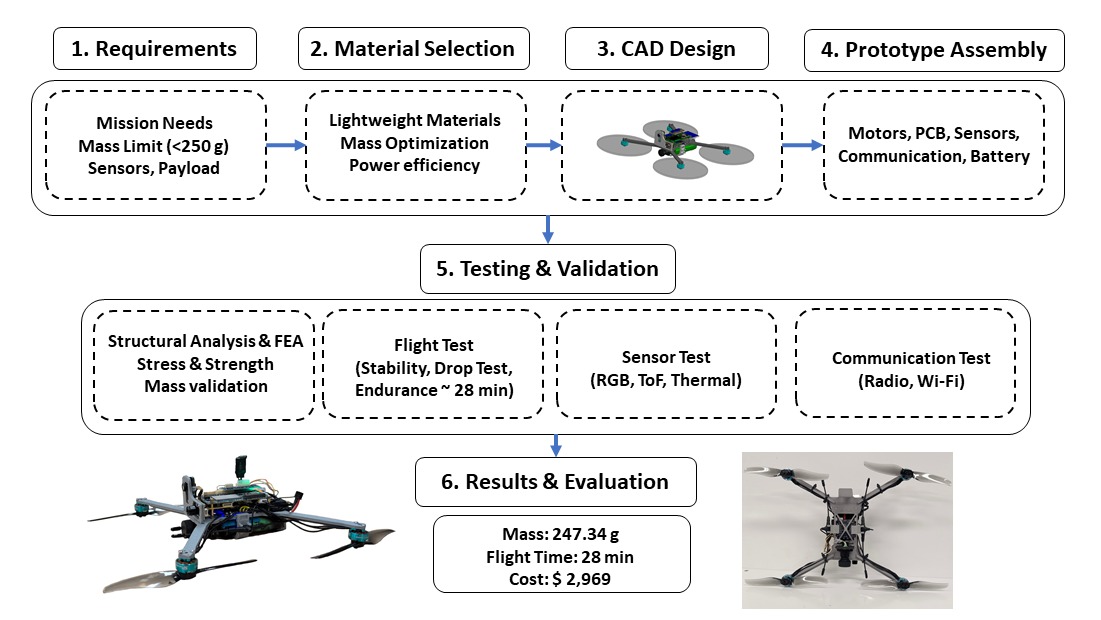
Design workflow of the micro-UAV, from requirements and CAD design to testing, with photos of the finished drone
Design and evaluation workflow. Source: Salehzadeh et al., Drones, 2026. Click to enlarge.

System Design and Evaluation of a Lightweight Micro-UAV for Emergency Response

Developed at Lawrence Technological University with a multidisciplinary student team through the LTU Centrepolis Accelerator, this project designed, built, and evaluated a sub-250 g micro-UAV for emergency response, where small, agile aircraft can reach confined or hazardous spaces that responders cannot easily access. The work followed the full design cycle, from mission requirements and lightweight material selection to CAD design and prototype assembly, and validated the drone through structural analysis and FEA, stability, drop, and endurance flight tests, and RGB, time-of-flight, and thermal sensor tests. The final platform weighs 247 g, flies for about 28 minutes, and was built for under $3,000.

  • Drones
  • System design
  • Emergency response
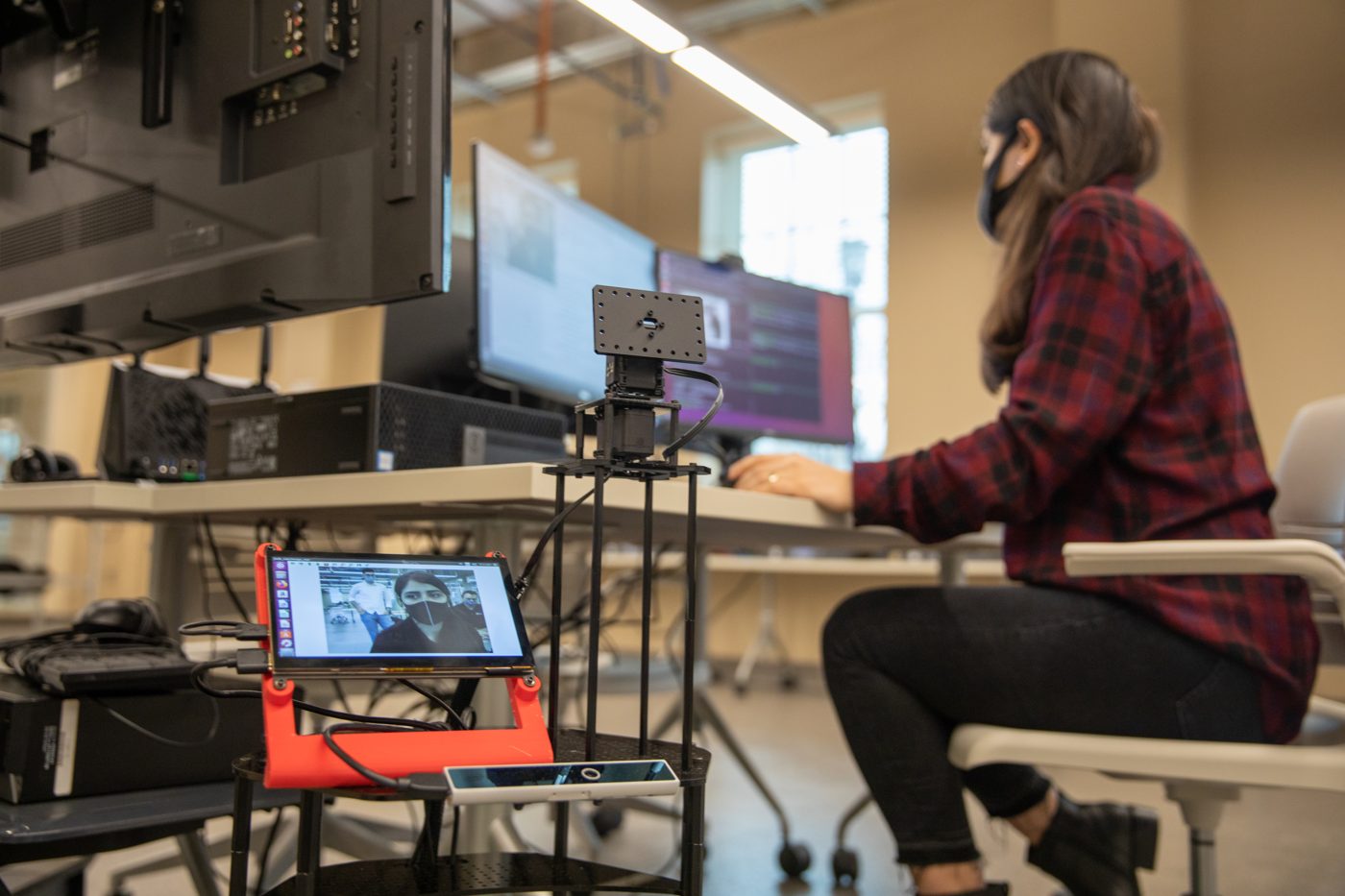
Teleoperated communication robot used in law enforcement studies

Trust in Teleoperated Communication Robots for Law Enforcement

This NSF-funded project studied how trust is established during human-robot communication in law enforcement scenarios. We developed a teleoperated communication robot with audio, video, and display interfaces to support remote interaction between officers and the public, and examined how robot design and communication modalities influence trust in public safety contexts.

  • HRI
  • Trust
  • Law enforcement
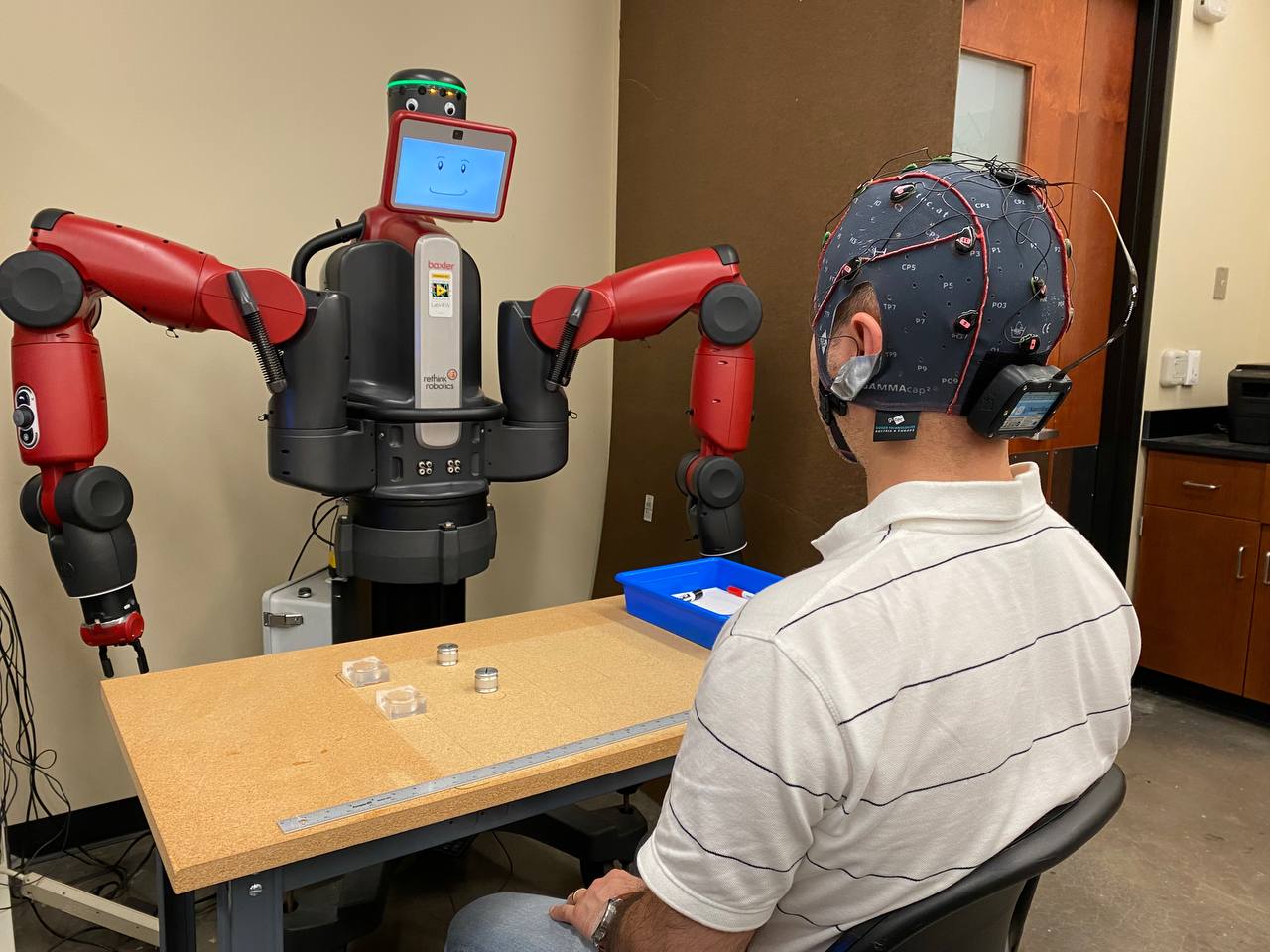
Participant wearing an EEG cap during a robot interaction study

EEG Signatures of Human Responses to Vulnerable and Expressive Robot Behaviors

Using brain-computer interface methods, this project studied how people perceive and respond to different robot behaviors during collaborative tasks. EEG and behavioral data were collected while robot expressivity and gestures were varied, to understand how design features influence perceived safety, trust, and engagement.

  • BCI
  • Trust
  • Collaborative robots
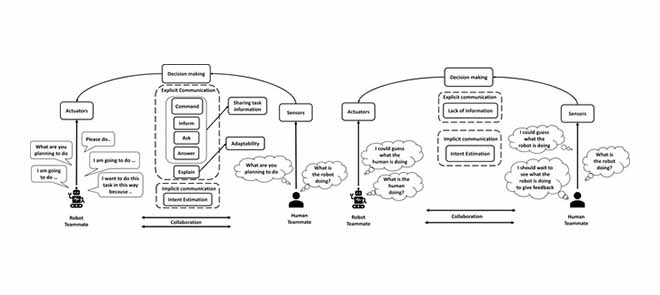
Diagram of human-robot communication in manufacturing

A Framework for Purposeful Human-Robot Communication in Collaborative Manufacturing

A systematic review of human-robot collaboration systems that identified sources of uncertainty in collaborative tasks and analyzed how communication modalities affect trust and team performance. The project proposed a framework for purposeful human-robot communication to support more reliable and transparent collaboration.

  • Human-robot collaboration
  • Communication
  • Manufacturing
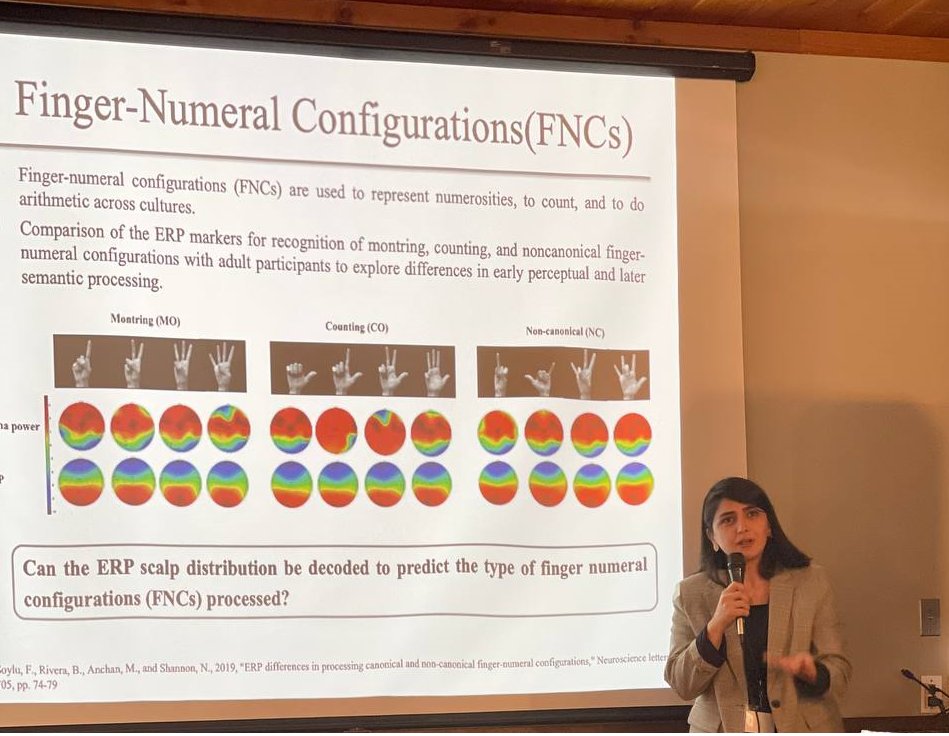
EEG decoding of finger numeral configurations

Machine Learning Decoding of Finger Numeral Configurations from EEG

This project explored how EEG signals can be used to decode human intention for adaptive interfaces. Machine learning models were developed to classify neural patterns associated with finger numeral configurations and event-related potentials, showing that these neural signatures can be reliably distinguished.

  • EEG
  • Machine learning
  • Neural decoding
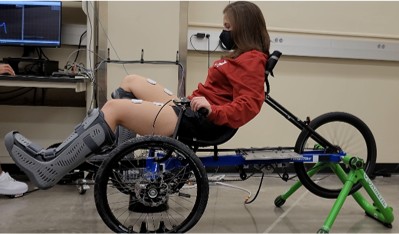
FES cycling rehabilitation system
Experimental FES cycling system. Source: Akbari et al., RehabWeek.

Closed-Loop EEG Control of Functional Electrical Stimulation Cycling for Rehabilitation

This project extended EEG-based intention decoding to closed-loop control for rehabilitation. Neural signals were integrated with a functional electrical stimulation (FES) cycling system to modulate cadence in real time based on user intent, showing how brain signals can guide adaptive rehabilitation devices.

  • BCI
  • Rehabilitation
  • Control